
Starting in September 2024, a financially motivated cluster of more than 80 spoofed domain names and lure websites began targeting users with fake applications and websites themed as government tax sites, consumer banking, age 18+ social media content, and Windows assistant applications. The actor used these spoofed domains to deliver Android and Windows trojans likely for the purpose of stealing credentials or more overtly through the use of fake login pages.
Details
Windows Installation Assistant download themed websites such as the following were used to deliver Windows trojans.
ms32-download[.]pro
corp-ms32-download[.]pro
Download URL: https[:]//cozzystaysemarang[.]com/temp/winsetup-stable-windows_x86_x64_software_package_revision_final.exe
Filename: winsetup-stable-windows_x86_x64_software_package_revision_final.exe
Sha256: 3767140145cef85204ddec1285f5dc8544bfcf8ff22318c11073baaa476385fc
The same delivery domain was previously observed delivering APK files in June 2025.
APK Sha256: a83a442f930fea310d391f852385e3673d8c7128e5bbdc2b68217838c78381fa
More recent versions used a different domain with a long URL likely to hide the filename from automated security tools and, to a lesser extent, human review. The excessive spaces (%20 in URL encoding) and length may bypass some detection rules or regular expressions to match malicious patterns..
Download URL:
https[:]//fleetfedx[.]com/Installer%20%20%20%20%20%20%20%20%20%20%20%20%20%20%20%20%20%20%20%20%20%20%20%20%20%20%20%20%20%20%20%20%20%20%20%20%20%20%20%20%20%20%20%20%20%20%20%20%20%20%20%20%20%20%20%20%20%20%20%20%20%20%20%20%20%20%20%20%20%20%20%20%20%20%20%20%20%20%20%20%20%20%20%20%20%20%20%20%20%20%20%20%20%20%20%20%20%20%20%20%20%20%20%20%20%20%20%20%20%20%20%20%20%20%20%20%20%20%20%20%20%20%20%20%20%20%20%20%20%20%20%20%20%20%20%20%20%20%20%20%20%20%20em_OtvJCxP1_installer_Win7-Win11_x86_x64.msi
SHA256: 71cd466073bf23b43111dbc68ccaf1064e737f3f9ffebfec9a6f5146af6a34b9
The download links also contain a Tracking Pixel in the on-click event: onclick="fbq('track', 'Lead');" This indicates that the attacker is running this as a campaign. They are likely using Facebook ads or other methods to drive traffic to this fake page and are tracking their "conversion rate", a metric of how many people they successfully trick into clicking the malicious download link.
Facebook Tracker Ids:
- 1354988235984551
- 690114973584418
- 1327164645166821
Additionally, a Yandex tracker was also identified in use: 97105740
Connective Tissue
Registrar
- PDR Ltd. d/b/a PublicDomainRegistry.com
- GMO Internet, Inc.
IP ISP
- BL Networks
- H2nexus Ltd
- H2.nexus Frankfurt Network
Name Server Domain
- regway[.]com
Top Level Domains
- Pro, Shop, Com, Icu, Top
Registrant Email Domains
- fviainboxes[.]com
- dropjar[.]com
- replyloop[.]com
- yopmail[.]com
- robot-mail[.]com
- protonmail[.]com
Trackers
- Facebook: 690114973584418
- Facebook: 1327164645166821
- Facebook: 1354988235984551
- Yandex: 97105740
The majority of the cluster’s domains targeted users with age 18+ themed TikTok, YouTube, and online Gambling Android applications. Other themes specifically involved several prominent consumer banks and cryptocurrency exchanges including USAA, PMC, Bloomberg, and Binance. A subset of the domains resolve fake Windows 11 Installation Assistant and TrustCon VPN application downloads.
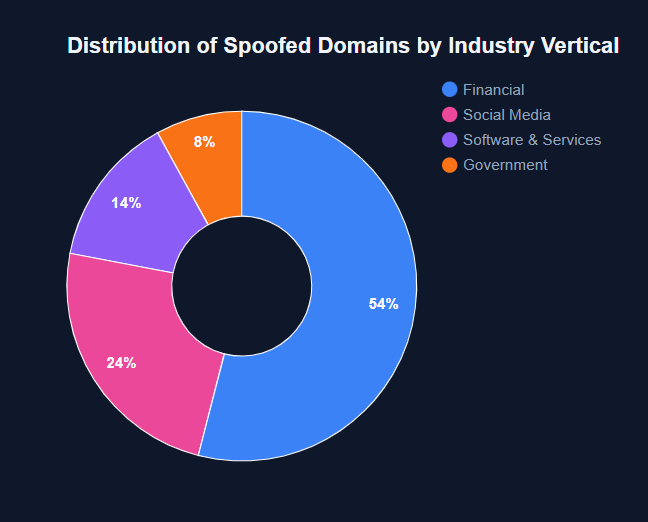
A breakdown of the cluster’s domain and websites by spoofed industries shows the majority are directly financially related, including the Government tax sites.
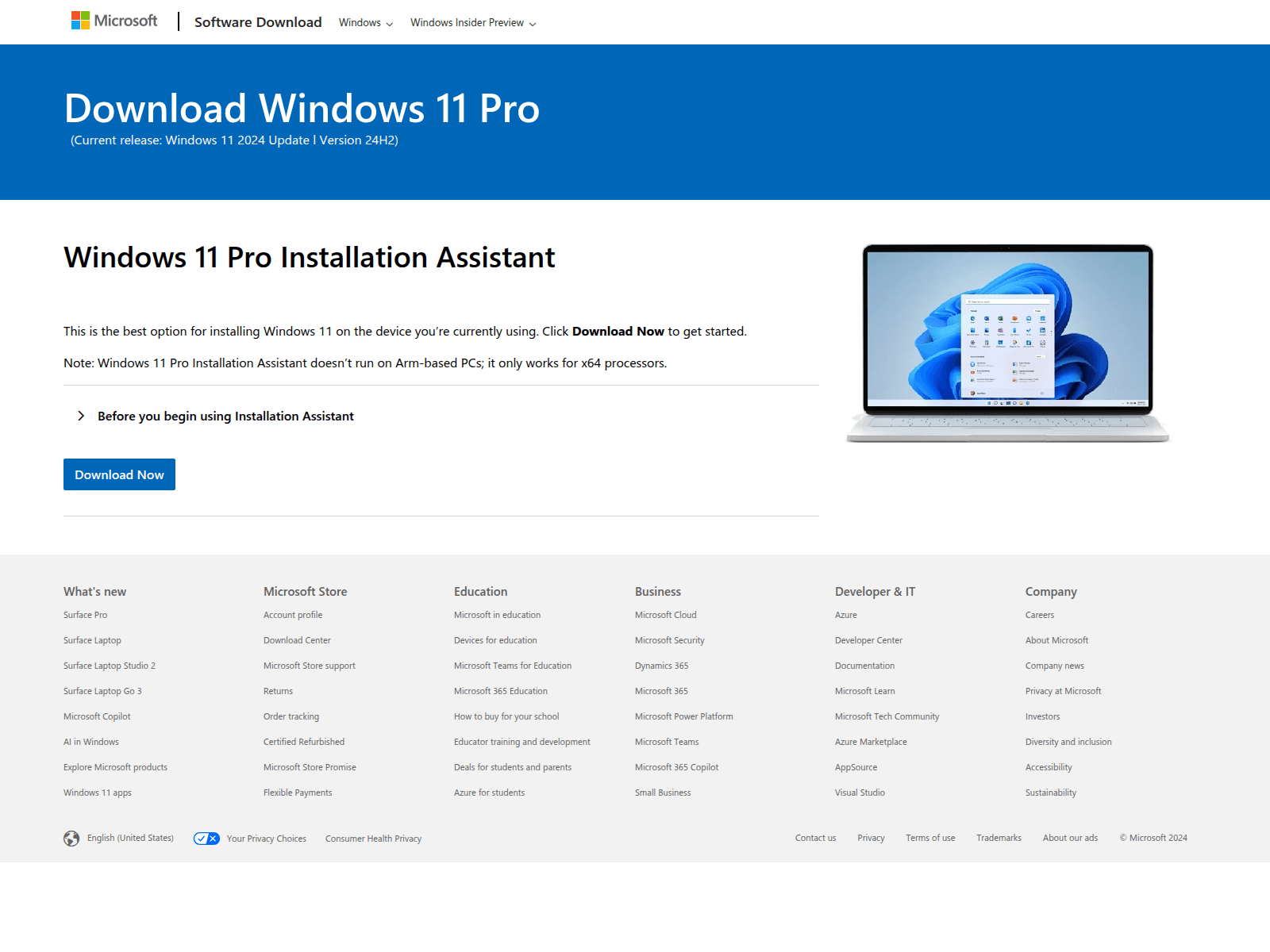
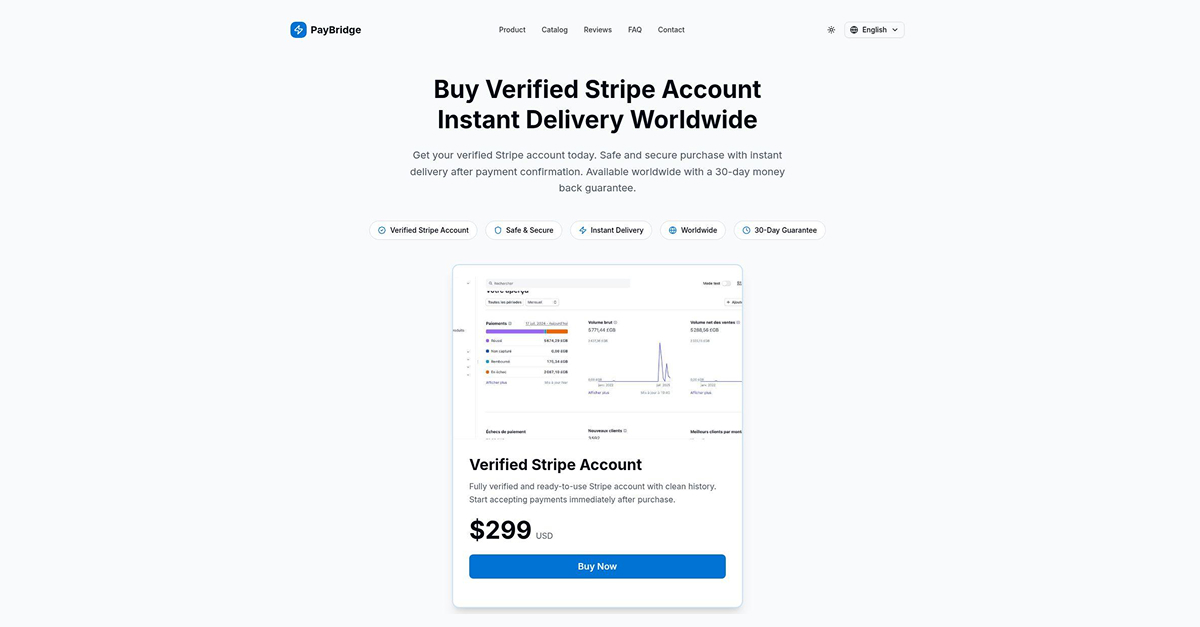
Sample screenshots of spoofed websites for malware delivery and credential harvesting:

Conclusion
This report highlights a persistent and financially motivated cybercrime operation employing common techniques, including spoofed domains and lure websites to distribute malware and harvest credentials.
The most common lures preyed on curiosity and desire, which can override a user's normal caution. The promise of forbidden or exclusive content is a powerful social engineering tool. Subsequently, victims are often embarrassed to admit how their device was infected. They are less likely to report the malicious app to authorities, security vendors, or even their IT department, allowing the malware to persist longer and the campaign to remain undetected.
They operate with the mindset of a malicious marketing firm, prioritizing scale and conversion rates over high-level technical sophistication. The use of template-based website builders indicates a focus on rapid deployment and disposability of their infrastructure, allowing them to quickly pivot and evade takedowns, browser-based warnings, and blocklisting mechanisms.
Users are advised to exercise extreme caution when encountering unfamiliar links or download prompts, particularly those related to banking, social media, or system utilities.
IOCs
Emails
Domains
.png)
