Researchers: Weak Security Defaults Enabled Squarespace Domains Hijacks

Published on: 
July 15, 2024

In a recent article from KrebsonSecurity, they detail that at least a dozen organizations with domain names at domain registrar Squarespace saw their websites hijacked last week. Squarespace bought all assets of Google Domains a year ago, but many customers still haven’t set up their new accounts. Experts say malicious hackers learned they could commandeer any migrated Squarespace accounts that hadn’t yet been registered, merely by supplying an email address tied to an existing domain.

Read the research: https://krebsonsecurity.com/2024/07/researchers-weak-security-defaults-enabled-squarespace-domains-hijacks/
Related Content

Research
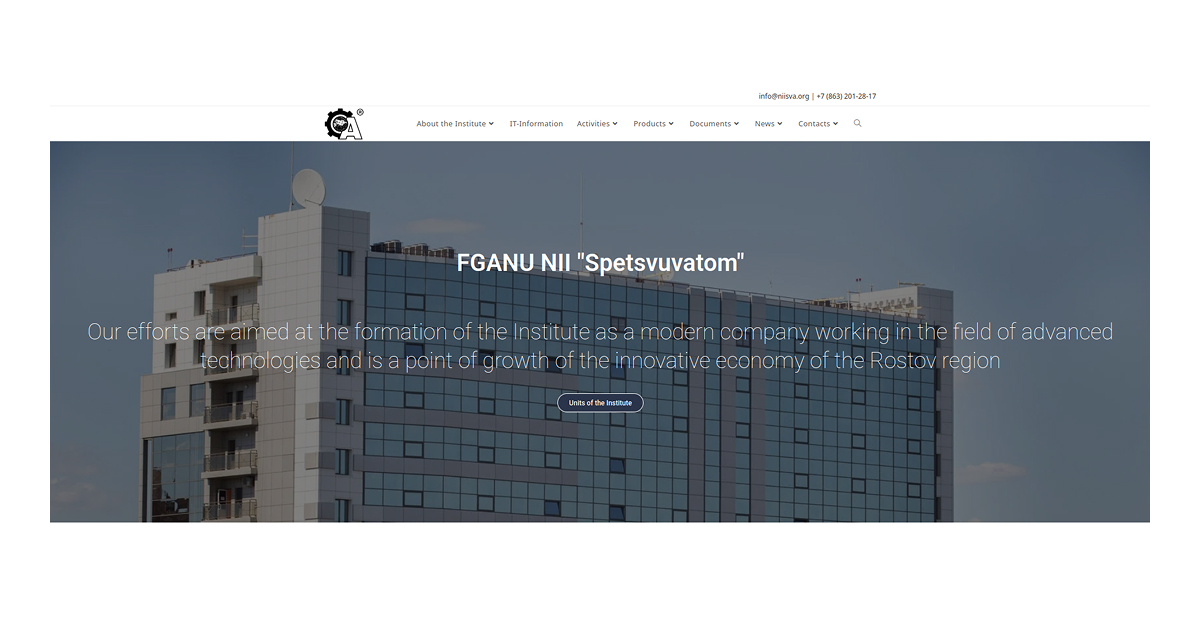
Spetsvuzavtomatika Leak Exposes an SVR Cyber Development Ecosystem

A darknet data leak from the Russian research institute Spetsvuzavtomatika (SVA) has exposed an extensive cyber development ecosystem serving Russia’s Foreign Intelligence Service (SVR). The leaked Git repositories, project specs, and technical reports reveal a sophisticated, modular research and development model focused on automating key phases of espionage—from cloud-agent command-and-control (Initiative-24) and automated target reconnaissance (Felix-23, HAD) to internal domain exploitation (Putnik) and anonymous infrastructure procurement (Chain-24).

Learn More
Research
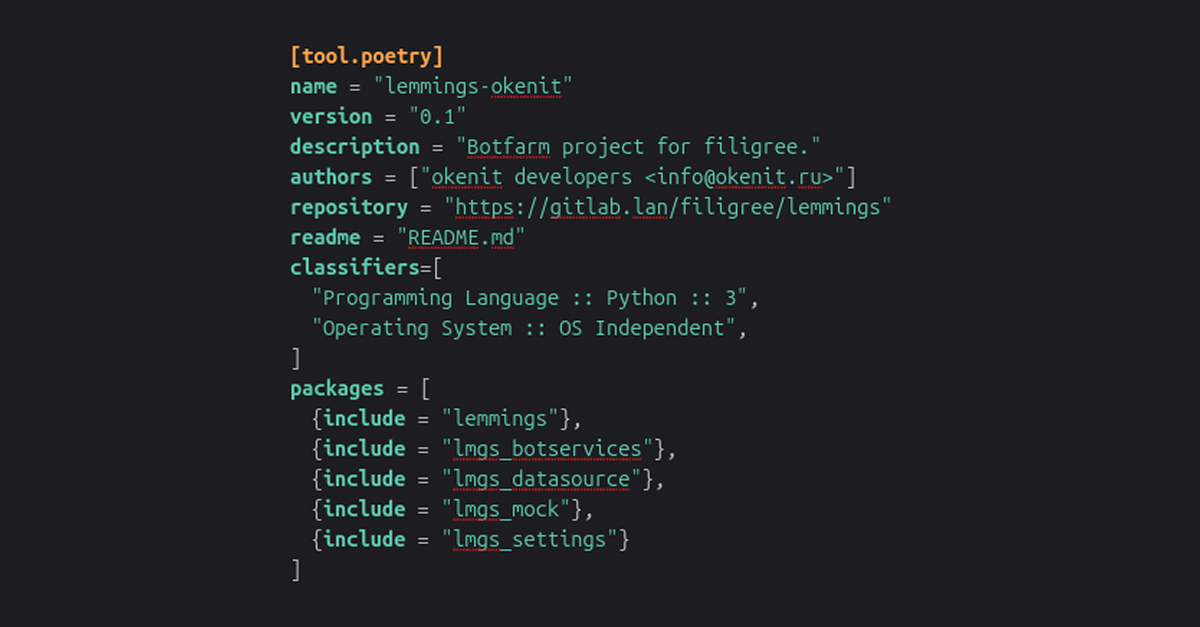
Lemmings: Russian Industrialized Persona Provisioning and Management for Active Measures Campaigns

Leaked internal data from Russian contractor Okenit reveals "Lemmings" (Лемминги)—a Python-based framework designed to industrialize the creation, verification, and management of synthetic online personas for Russian active measures. Built to automate phone verification, email infrastructure, CAPTCHA solving, and anti-detection measures, Lemmings functions as the identity-provisioning layer within a larger ecosystem alongside proxy and tasking tools (SOI and SOS). Live tests against platforms like VK and Reddit demonstrate a shift toward scalable, modular software frameworks capable of maintaining durable cover identities for intelligence, influence, and disinformation operations.

Learn More
Research
Threat Intelligence Report: University Leak Exposes Russia’s Military Cyber Training Pipeline

A leaked cache of institutional files reveals that Department No. 4 at Bauman Moscow State Technical University operates as a structured force-generation pipeline for Russian military cyber operations, training roughly 250 students across specializations. Supervised directly by senior GRU leadership, the program blends offensive intrusion, malware analysis, financial-systems targeting, and cryptographic defense with field placements that feed graduates straight into GRU- linked cyber formations like APT28 (Unit 26165) and Sandworm (Unit 74455).

Learn More
