Newsletter Number 9, Keep On Movin' Down The Line

Published on: 
October 1, 2025

September is coming to a close, and with it, the sun bids adieu to Seattle (my home base) for another six months or so. Anybody who has lived here for more than a couple of years can recognize the exact day it happens. It’s a different date every year, but it’s unmistakable! In just 24 hours, it goes from pleasantly sunny, low 70s weather (low 20s C for my international friends) to min-50s (mid-teens in C) and rain. Summer is over, and the grey gloom returns to give birth to the Pumpkin Spice Latte. That day was yesterday 😕

But it’s not all bad. With less available daylight, we give ourselves permission to spend more time inside, and that means more time for research! If you are a returning reader, welcome back! If you are a new reader, what you are about to read is news from our group of researchers and analysts, where they provide their expertise in investigating, mitigating, and preventing Domain and DNS based attacks.

My team has been on a tear this month, we've published new research on Salt Typhoon, an advanced Chinese APT, and we've analyzed the massive Kimsuky leak, giving us a rare look into a North Korean threat actor's playbook. We also identified new activity from the PoisonSeed e-crime group, and uncovered a banking trojan targeting Android users in Southeast Asia. Let's get you up to speed!

Hot off the Presses

Inside Salt Typhoon: China’s State-Corporate Advanced Persistent Threat 

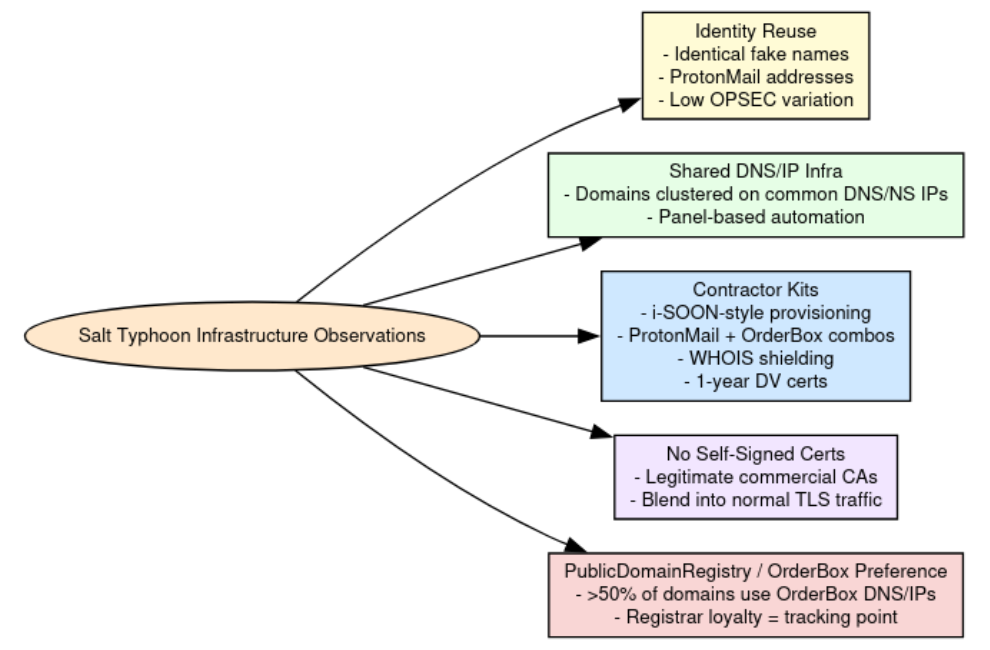
Less than a week ago (25 September), we published research that maps Salt Typhoon’s infrastructure and operational profiles. The APT linked to the PRC’s Ministry of State Security has a targeting profile that spans the U.S., U.K., Taiwan, and the E.U., with confirmed breaches in at least a dozen U.S. telecom firms, multiple state National Guard networks, and allied communications providers. The research covers known intelligence and operational profiles, links to other entities within the PRC’s cyber espionage apparatus, and a deep dive into the infrastructure and behavioral patterns uncovered by our researchers. 

Salt Typhoon has demonstrated sophisticated spycraft in exploiting network edge devices, maintaining long-dwell persistence via firmware/rootkit implants, harvesting data from telecom providers, and using plausibly deniable contractor infrastructure to obscure attribution. Our research provides crucial intelligence for attribution, detection, and threat modeling of the observed activity.
🔗Read the full report here

Inside the Kimsuky Leak: How the “Kim” Dump Exposed North Korea’s Credential Theft Playbook

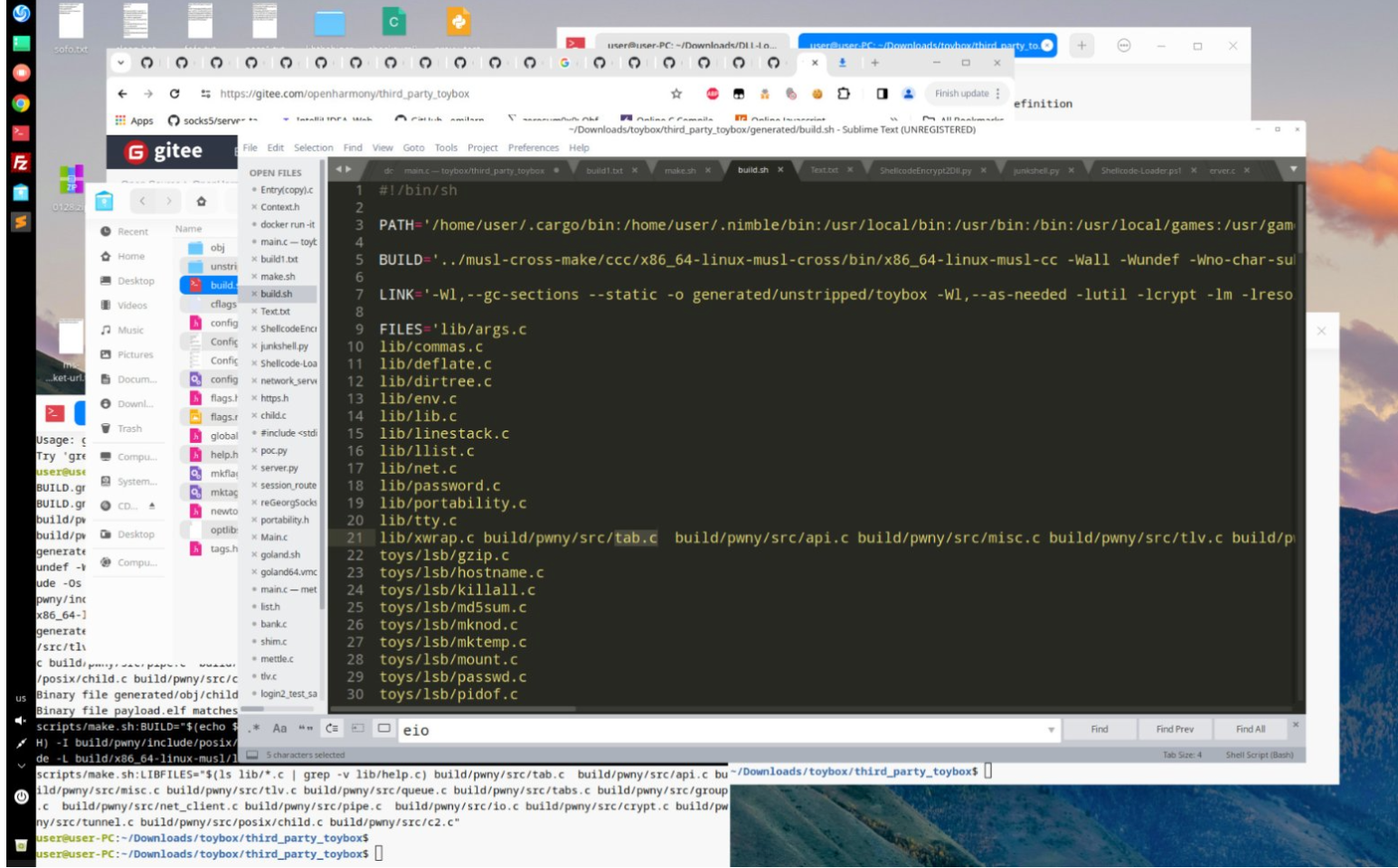
DTI researchers broke down the “Kim” leak, mapping the full scope of the North Korean threat actor’s infrastructure from custom Linux rootkits to particular targets like PKI infrastructure and specific tools like NASM and ocrmypdf. Our analysis also found a strategic pivot to include Taiwanese developer and government networks, revealing a clear geographical expansion of North Korea's cyber interests.

The leak provides a unique opportunity to look directly into a DPRK threat actor’s playbook. Moreover, it gives analysts and defenders insight into the actor’s operational profile, including credential-focused intrusions targeting South Korean and Taiwanese networks, with a blending of Chinese-language tooling, infrastructure, and possible logistical support.
🔗Read the full analysis here

—-----

Newly Identified Domains Likely Linked to Continued Activity from PoisonSeed E-Crime Actor

DTI researchers identified a set of malicious domains likely linked to the e-crime group known as PoisonSeed. The identified domains spoofed the email sender platform SendGrid and used fake Cloudflare CAPTCHA pages to steal enterprise credentials, with similar tactics, techniques, and procedures (TTPs) as those historically tied to SCATTERED SPIDER. 

While there is no definitive evidence of a direct link between PoisonSeed and SCATTERED SPIDER, the infrastructure identified as belonging to PoisonSeed highlights ongoing efforts by e-crime actors to use TTPs similar to SCATTERED SPIDER. These actors are likely continuing to leverage these TTPs to compromise enterprise credentials to facilitate a range of malicious activity.

🔗Learn more here

Banker Trojan Targeting Indonesian and Vietnamese Android Users

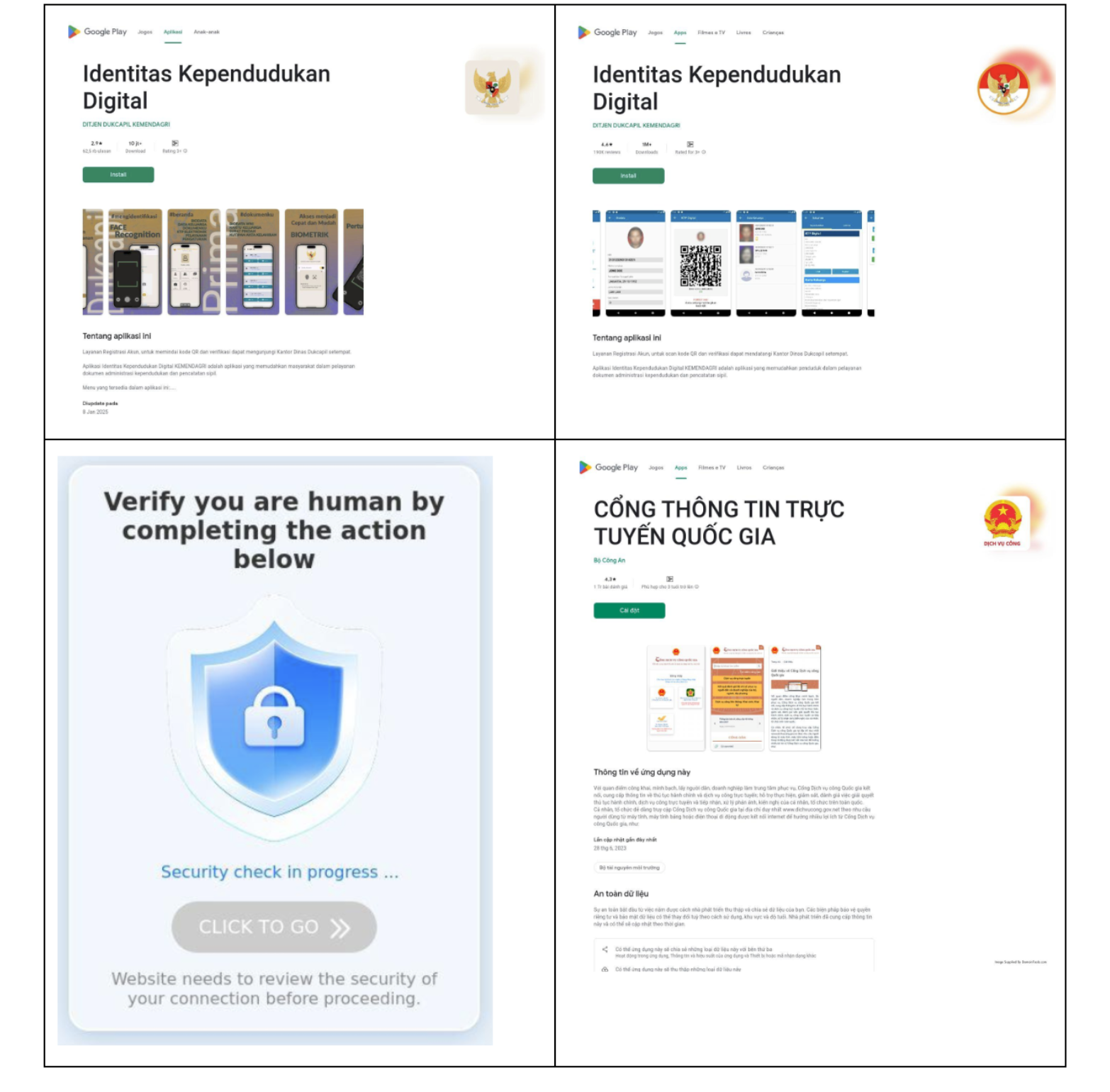
DTI researchers observed a threat actor spoofing trusted platforms like the Google Play Store to target  Android users in Southeast Asia. The actor disguised their malware as legitimate payment and government identity applications to trick Indonesian and Vietnamese users into downloading malware linked to BankBot.Remo.1.origin, a previously closed source banking trojan that had its source code leaked on Russian-language forums in 2016.
🔗Learn more here

—-----

What We’re Reading

With the arrival of fall, and back to school season in full swing, it got me thinking: Wouldn’t it be great if there were a scholastic book fair for cybersecurity? Well there isn’t, but there is my colleague Ian Campbell's monthly recommended reading list for September:

📚Check out the full reading list here 📚

Where We’ll Be

  • BSidesNOVA, Arlington, VA, 10-11 October
  • GovWare, Singapore, 21-23 October
  • TechNet Indo-Pacific, Honolulu, HI, 28-30 October

Final Thoughts

As always, thank you to my returning readers! If you’re new, I hope you found this newsletter informational, helpful, and worthy of sharing with your peers. And of course I hope you will keep coming back to read future editions!

We share this newsletter via email as well - if you’d prefer to get it to your inbox, sign up here.

If you missed last month's content, here are some quick links:

Thanks for reading - see you next month!

-Daniel
https://www.linkedin.com/in/schwalbe

https://infosec.exchange/@danonsecurity

Related Content

Newsletters
Edge of Seventeen (Newsletters)

We haven’t talked about the weather in Seattle for a bit. Just kidding, I ALWAYS talk about the weather here! Did you know that the Seattle Weather is officially one of the most difficult to accurately forecast? This is due (in part) to the so-called “Puget Sound Convergence Zone.” But also the fact that the area goes from sea level to 14,000 feet (4300m) within a 60 mile (97km) radius. And that we’re sandwiched between two mountain ranges and have a large patch of ocean that isn’t really the ocean because it’s a sound 🤷

In any case, today we reached 72 degrees Fahrenheit (22C), tomorrow will be 83 degrees (28C). June-uary better get here fast, I need three more weeks of gray and rain to adequately hydrate before summer starts on July 5th! But maybe the weather decided to “play along” and show the visitors that are coming to town for the FIFA World Cup a good time. Seattle is hosting four matches, including the US National Team 🇺🇸against the Socceroos 🇦🇺! And just like Matt Turner will keep close tabs on Jordan Bos and Nestory Irankunda, the DTI team has been busy keeping track of the latest threats. 

We started May (or technically ended April if we’re being specific) with a look at the DPRK’s “Contagious Interview” campaign that weaponizes legitimate hiring workflows to compromise developer environments. The rest of May was spent taking a deeper dive into the Doppelganger campaigns we covered in March and looking at their operational pipeline and strategic significance. We rounded out the month with a look at the ZionSiphon malware sample, the OT malware designed to target Israeli water facilities with some critical flaws in its programming. 

Let’s dive in and get you up to speed!  

Hot Off the Presses 

Threat Intelligence Report: ZionSiphon OT Malware First Attempts? Psyops? Both?

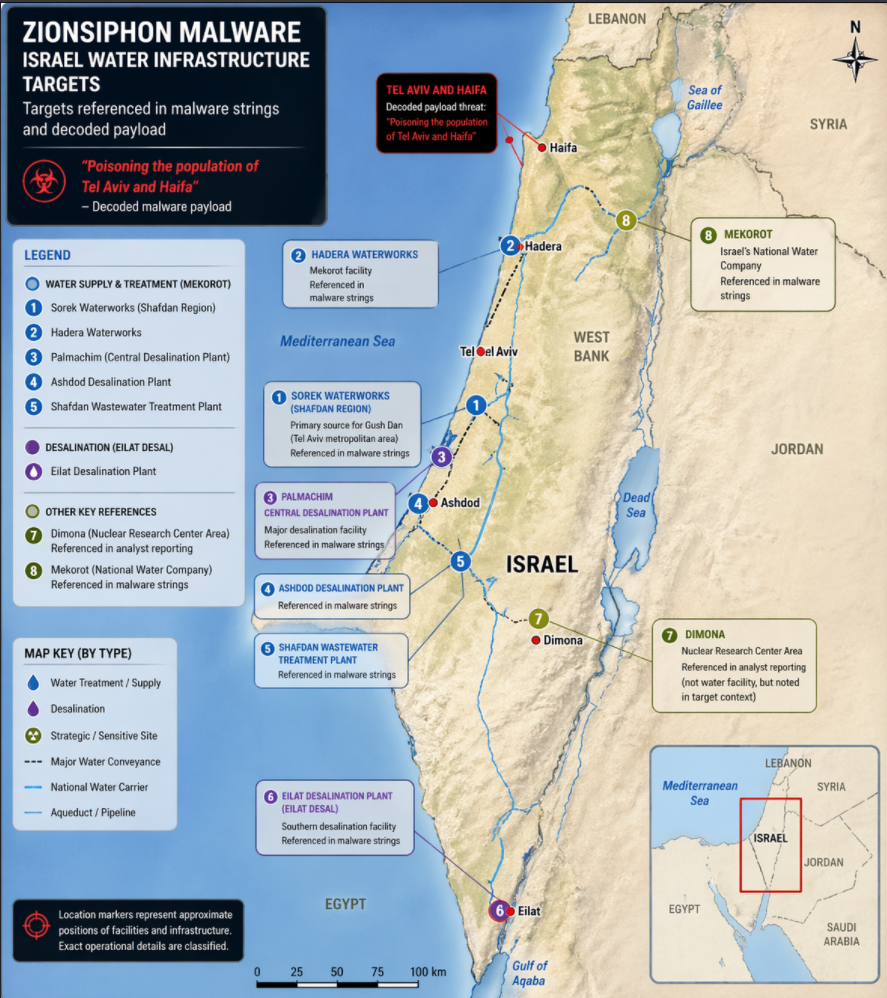
DTI researchers analyzed the ZionSiphon malware sample (“SCADA_SecurityPatch_v8.4.exe”) that has been circulating in public sandboxes since 2025. The malware is designed to target and sabotage water treatment and desalination facilities in Israel only. In our analysis, our team identified a critical bug in the malware’s geographic validation logic that prevents the malware’s payload from activating in its intended environment. Beyond the flaw in its geographic validation logic, the malware also lacks any external communication stack or command-and-control (C2) channel. 

Based on our analysis, our team determined ZionSiphon operates entirely at the Windows host layer, using registry persistence, PowerShell-based execution, and USB-oriented propagation logic. It is a real, functioning implant in terms of execution mechanics, but the XOR bug prevents it from transitioning into an active sabotage phase, rendering it effectively non-operational as an ICS attack tool. 

Read the full technical breakdown here

Threat Intelligence Report: The SDA / Structura / Doppelgänger, Influence Operations, Infrastructure, Reach, and Potential

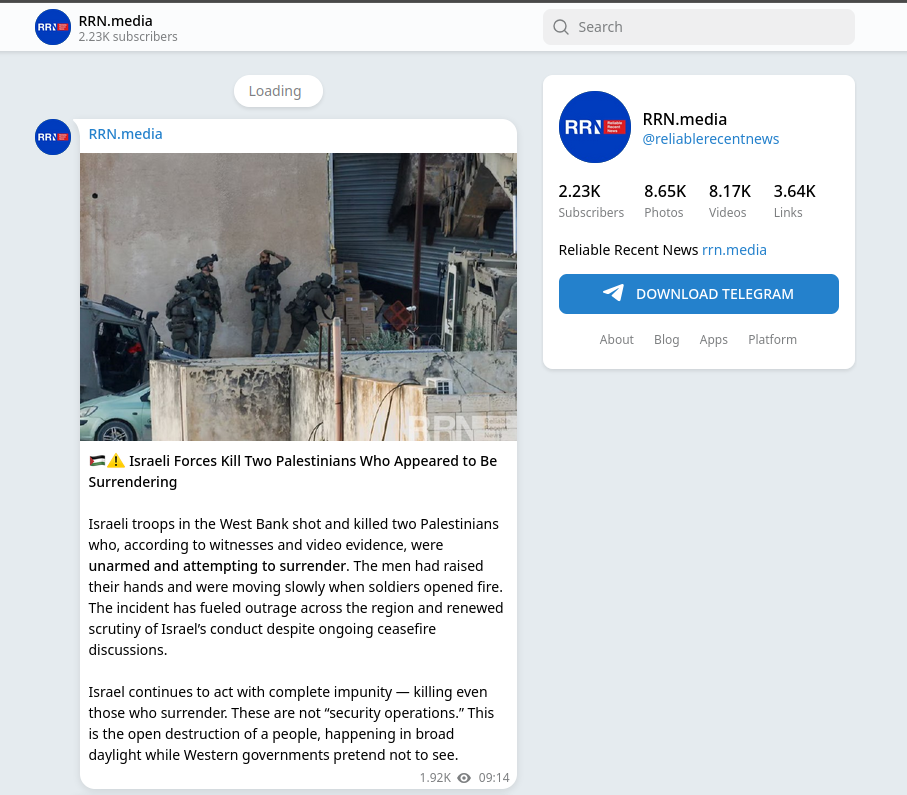
After our first investigation into Doppelgänger in March, the DTI team took another deep dive into the Doppelgänger campaigns and their operational model. We broke down the narrative distribution model into four stages: content creation, telegram amplification, X/twitter injection, and narrative propagation. Our research determined the Doppelgänger campaign is engineered for visibility, not direct persuasion. Its architecture–feeder websites, Telegram amplification, and coordinated X/Twitter activity–prioritizes rapid distribution and repeated exposure across platforms to maximize encounter frequency. Using this analysis, our team modeled the first 72 hours of a Doppelgänger campaign during a geopolitical crisis. 

We also placed Doppelgänger in the larger doctrinal context of Russia’s “information confrontation” strategy. The operational structure of the Doppelgänger campaign demonstrates clear continuity with Soviet-era Active Measures, a category of covert influence operations. Historically, Active Measures campaigns relied on a combination of forged publications, front organizations, and intermediary actors to introduce narratives into foreign information environments. The Doppelgänger campaign represents the digital transformation of the same strategy. 

Read our full analysis here

DPRK Contagious Interview: Developer Workflow Compromise

Our team kicked off May with an analysis of the DPRK’s “Contagious Interview” campaign that weaponizes legitimate hiring workflows to induce execution of malicious code within trusted developer environments. The campaign targets software developers and technical personnel through fraudulent job interview processes conducted across platforms such as GitHub, LinkedIn, and direct messaging channels.

Read the breakdown here 

What We’re Reading 

In case you’re behind on your cybersecurity reading homework, DTI team member Ian Campbell’s monthly recommended reading list will get you up to speed! 

‍📚See the full reading list here

Where We’ll Be

  • SLEUTHCON, Arlington, VA - 05 June
  • ‍Hacker Summer Camp, Las Vegas, NV, 01-09 August

Final Thoughts

As always, thank you to my returning readers! If you’re new, I hope you found this newsletter informational, helpful, and worthy of sharing with your peers. And of course I hope you will be coming back to read future editions!

We share this newsletter via email as well - if you’d prefer to get it to your inbox, sign up here.

If you missed last month's content, here are some quick links:

Thanks for reading & see you next month!

-Daniel

https://www.linkedin.com/in/schwalbe/
https://infosec.exchange/@danonsecurity

Learn More
Newsletters
Sixteen going on Seventeen Newsletters

DPRK's modular malware portfolio, Iran's MOIS-linked Handala/Homeland Justice/Karma persona ecosystem, and a fake Authenticator Chrome extension dissected.

Who doesn’t love a good “The Sound of Music” reference! But did you know that there is a completely different movie based on the same subject matter that was filmed in Germany in 1956, a whole nine years before The Sound of Music? It’s called “Die Trapp-Familie” (or “The Trapp Family”). Unlike the American version, where the von Trapps escape to Switzerland at the end (cue Julie Andrews singing “Climb every Mountain”) - in the German version they emigrate to America, which is also what the “real” von Trapps did. And then there is also a movie sequel that captures their time living in the United States. And before you question my Super Fan status, yes I’ve visited most of the sites in and around Salzburg where “The Sound of Music” was filmed. I highly recommend it!

For those of you who came here for the weather report: April in Seattle was cold and wet. May is off to a bang with an 80 degree day already. This is totally fine. 

SPeaking of April, it’s been a high-velocity month for the team. Two weeks ago I was in Munich Germany for the FIRST CTI Conference, while the rest of the team spent most of their  time untangling the increasingly complex webs of state-sponsored modularity, from the DPRK’s institutionalized "burn-and-replace" tactics to the shifting veneers of Iranian influence operations.

In this edition, we’re breaking down how these actors are moving away from one-off attacks toward sustainable, parallel pipelines of espionage and disruption. We also take a look at some "clean" Chrome extensions that aren't nearly as helpful as they claim to be.

Let's dive into the research and get you caught up!

Hot off the Presses

DPRK Malware Modularity: Diversity and Functional Specialization

DTI analysts broke down the modular design of the DPRK’s malware ecosystem. Analysis of multiple vendor, government, academic, and secondary reporting confirmed the DPRK operates a mature portfolio model of parallel malware development and rotation pipelines aligned to discrete strategic objectives. This structure enables the DPRK to conduct simultaneous espionage, revenue generation, and disruptive operations without cross-contaminating tooling, infrastructure, or exposure. 

What distinguishes the DPRK cyber program is not the existence of malware rotation itself, but how completely burn-and-replace logic is integrated into program design.Across the DPRK’s malware ecosystem, different DPRK threat actors are identified with specific malware tracks: espionage (Kimsuky), financial operations (Lazarus Group), and disruptions and coercion (Andariel). While the burn-and-replace model operated by the DPRK is not unique among nation-state threat actors, the degree of institutionalization and mission coupling seen in DPRK operations is unusually pronounced compared to their counterparts in Russia, Iran, and the PRC. 

🔍Read the full investigation here

Handala: MOIS Linked Cyber Influence Ecosystem Threat Intelligence Assessment 

DTI spent a lot of April analyzing cyber threats resulting from the conflict in Iran. Our researchers took a deep dive into the threat actor personas aligned with Iran’s Ministry of Intelligence and Security (MOIS; وزارت اطلاعات جمهوری اسلامی ایران). Specifically, the activity attributed to Homeland Justice, Karma/KarmaBelow80, and Handala was assessed as a single, coordinated cyber influence ecosystem aligned with the MOIS. These personas function as interchangeable operational veneers applied to a consistent underlying capability. Their purpose is not to reflect organizational separation, but to enable segmentation of messaging, targeting, and attribution while preserving continuity of infrastructure and tradecraft.

Across all observed phases, the actors exhibit clear temporal continuity, shared infrastructure patterns, and a repeatable operational workflow. The persistence of these elements, despite rebranding, indicates centralized direction and capability management. 

🔗Learn more here

MOIS Linked MOIST GRASSHOPPER/ Homeland Justice/ KarmaBelwo80/ Handala Hackers/ Campaigns and Evolution 

As part of our team’s research into the MOIS cyber influence ecosystem, we examined evidence spanning U.S. government reporting, private-sector threat intelligence research, passive DNS and infrastructure enrichment, and longitudinal review of archived web and Telegram content to build a comprehensive analysis of the campaigns and operational evolution of the Handala/Homeland Justice/ Karma personas. Across these personas, the actors consistently employ a repeatable pattern of intrusion, data exfiltration, disruptive or destructive action, and rapid public disclosure through controlled infrastructure. This is reinforced by shared or cross-referenced domains, persistent use of Telegram for amplification and coordination, and common hosting and obfuscation strategies. The personas also exhibit consistent rhetorical framing, target selection logic, and methods of psychological coercion. 

The campaign demonstrates a progression from discrete, high-impact destructive events into a modular and adaptive operational toolkit capable of supporting a wide range of objectives across multiple target sets. Early activity, particularly during the Albania operations, was centered on singular, coordinated events in which long-term access culminated in ransomware-style encryption, wiping, and public attribution. Over time, however, these capabilities were not abandoned; instead, they were retained and integrated into a broader operational framework that supports espionage, surveillance, disruption, influence operations, and destructive capabilities in parallel, culminating in the attack on Stryker in March 2026. 

🔗Read the technical deep dive here

SecuritySnack - The AI Frame Campaign Continues

DTI analysts identified a Chrome extension impersonating Google's Authenticator application as part of an ongoing malicious campaign active since at least early 2026. The extension appears to use Chrome's localization system and skeleton code to bypass security reviews. Despite its functional appearance, it requests broad, unnecessary permissions and contains "dormant infrastructure”. This suggests a staged deployment model using a deploy clean, update dirty strategy, where the extension remains trustworthy on the surface while maintaining the architectural groundwork to deliver a malicious update without requiring further permission approvals from the user or the store.

This extension is linked to at least six others through a shared developer front, two of which already carry fully operational malicious payloads. These extensions utilize hidden iframes to inject attacker-controlled content into every webpage, deploy fraudulent paywalls for free services, and maintain bidirectional communication with C2 servers. The infrastructure maps directly to the AiFrame campaign, which reportedly compromised over 260,000 users from 2025 to present.

🔗Learn more

📚What We’re Reading 

In case you’re behind on your cybersecurity reading homework, DTI team member Ian Campbell’s monthly recommended reading list will get you up to speed! 

📚See the full reading list here

Where We’ll Be 

- DNS OARC, Edinburgh, UK - 16-17 May

- SLEUTHCON, Arlington, VA - 05 June

Final Thoughts

As always, thank you to my returning readers! If you’re new, I hope you found this newsletter informational, helpful, and worthy of sharing with your peers. And of course I hope you will be coming back to read future editions!

We share this newsletter via email as well - if you’d prefer to get it to your inbox, sign up here.

If you missed last month's content, here are some quick links:

Thanks for reading & see you next month!

-Daniel

https://www.linkedin.com/in/schwalbe/

https://infosec.exchange/@danonsecurity

Learn More
Newsletters
Fifteen (Newsletters) On A Skateboard

After False Spring and Second Winter, we have reached “The Pollening”, which either precedes actual Spring, or possibly Third Winter - The jury is still out! In any case, I’ve put my "heavy rain coat" in storage, and pulled out my "slightly lighter rain coat." It’s been windy though - the cherry blossoms on the UW Quad are fighting to stay attached, and for a minute today I could have sworn the outside thermometer read 70 degrees. But that can’t be right, it’s April in Seattle after all!

Very much on brand for Spring however, things have started to get real busy again. I just wrapped up a fantastic week in San Francisco at the end of March. I gave a talk at BSidesSF, where I dove deep into the recent activities of Salt Typhoon and the i-Soon leaks. 

After that I stuck around for RSAC, and it was great to connect with many of you in person. If I missed you, please drop me a line and let’s figure out the next time we’ll be in the same city. The next opportunity will likely be in Munich toward the end of April, where I will be attending the FIRST CTI Conference. If you’re going to be there, let me know and we’ll research who pours the best Maß !

Speaking of research, in this edition, we’re looking at some heavy-hitting infrastructure research, from the persistent "Doppelgänger" disinformation machine to a significant cryptographic leak within Qihoo 360’s AI platform.

Let’s dive in and get you up to speed!

Hot off the Presses

Doppelgänger / RRN Disinformation Infrastructure Ecosystem 2026

DTI researchers analyzed the Doppelgänger / RRN ecosystem as an infrastructure-based disinformation operation with notable operational waves from 2022 through 2026. Rather than operating as a loose set of fake websites, the network functions as a coordinated system built around large-scale media impersonation. Well-known Western news outlets are copied using domain lookalikes, typo variants, and alternate extensions, all tied to a central group of RRN domains that act as a hub for messaging.

Domain analysis showed registration activity in clear waves, along with consistent use of low-cost top-level domains and repeat patterns in domain naming. The operation also rotates domains after enforcement actions while keeping core naming consistent. The infrastructure is distributed and designed to stay active over time, with multiple connected domains supporting the name narratives. Overall, the findings point to a managed and sustained operation rather than isolated short-term activity.

🔍Read the full investigation here

SecuritySnack - CloudFlare Anti-Security For Phishing

A Microsoft 365 credential harvesting campaign leveraged content delivery and security platforms like Cloudflare to delay detection and risk profiling. The campaign implemented multiple anti-detection techniques, including Cloudflare human verification, hardcoded IP block lists, user agent checks, and multiple sites and redirects, filtering out security tools, bots, and known infrastructure, often returning fake “404 Not Found” pages. The credential harvesting logic was executed through a hidden script using a custom VM function, preventing static analysis and dynamically updating destinations to legitimate domains when checks were triggered. Multiple sites in the cluster shared common infrastructure patterns, including Cloudflare nameservers, Namecheap registration, and a consistent Turnstile sitekey that may be used to identify related domains.

🔗Learn more here

Exposure of TLS Private Key for Myclaw 360 in Qihoo 360 “Security Claw” AI Platform

DTI analyzed the confirmed exposure of a Transport Layer Security (TLS) private key associated with the wildcard certificate *.myclaw[.]360[.]cn, tied to Qihoo 360’s Security Claw platform. Cryptographic validation confirmed that the supplied private key matches the public key contained in the certificate, showing that the exposed credential is authentic and operational. Because the certificate covers the entire domain namespace, possession of the private key would allow impersonation of services across the platform if it remained trusted and unrevoked. Certificate transparency analysis indicates the certificate was subsequently rotated and replaced with a new RSA key pair following the exposure.

The exposure represented a leak of cryptographic trust material associated with the platform’s infrastructure. Evidence indicates the certificate and private key were present within the platform’s installer package, suggesting inclusion during the software build process. Domain registration data, passive DNS, and infrastructure analysis link the affected namespace to Qihoo 360’s operational environment, confirming the exposed key was associated with a service environment under the company’s direct control. Our team worked through a root cause and analytical assessment of the exposure as well as the possible threat scenarios that could result from it. 

🔗Read the technical deep dive here

SecuritySnack - OpenAI Anti-Ads Malware

DTI researchers detailed the discovery of a malicious Chrome extension, named "ChatGPT Ad Blocker", found on the Google Chrome Web Store. The extension masquerades as an ad-blocking tool but is primarily designed to steal the user’s ChatGPT conversations data by systematically copying the HTML page and sending it to a webhook on a private Discord channel.

The identified activity appears to be an attempt to capitalize on OpenAI's policy shift to serve advertisements on its free tier by distributing malicious extensions that allege to block these ads.

🔗Learn more

What We’re Reading 

In case you’re behind on your cybersecurity reading homework, DTI team member Ian Campbell’s monthly recommended reading list will get you up to speed! 

📚Check out the full reading list here

Where We’ll Be 

- FIRST CTI Conference, Munich, Germany - 21-23 April

- SLEUTHCON, Arlington, VA - 05 June

Final Thoughts

As always, thank you to my returning readers! If you’re new, I hope you found this newsletter informational, helpful, and worthy of sharing with your peers. And of course I hope you will be coming back to read future editions!

We share this newsletter via email as well - if you’d prefer to get it to your inbox, sign up here.

If you missed last month's content, here are some quick links:

Thanks for reading & see you next month!

-Daniel

https://www.linkedin.com/in/schwalbe/

https://infosec.exchange/@danonsecurity

Learn More